
Over the last few years I have sat in a lot of rooms where a new AI program was being announced. The slides are usually good. There is a license for everyone, a training calendar, a community of champions and a target for active users. Six months later, the same rooms are a little quieter. Usage has flattened, the champions are busy with their real jobs and someone asks why the investment has not shown up in the numbers.
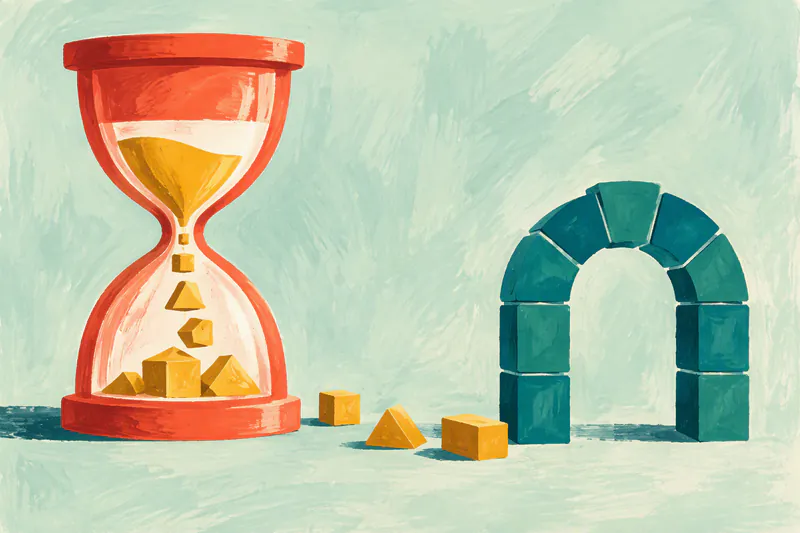
It is tempting to call this resistance to change. In my experience it is something much simpler. People are already busy. Most of them are good at their jobs and stretched across too many tasks. When we hand them a powerful new tool, we are also handing them a new job: learn how to prompt, decide where it fits, check what it produces and explain to their manager why it saves time. Nobody asked for that.
Training is not the same as change
Training matters. But a two-hour session on writing better prompts does not change how an invoice is matched, how a customer request is routed or how a new colleague gets access on day one. The process stays exactly as it was. We have simply added an optional step that each person has to remember, every time, on top of everything else.
That is why so many pilots look promising and then stall. The enthusiasm is real, but the work has not moved. The value depends on thousands of individual decisions to open a chat window and that is a fragile foundation for a business case.
Meet people where the work already happens
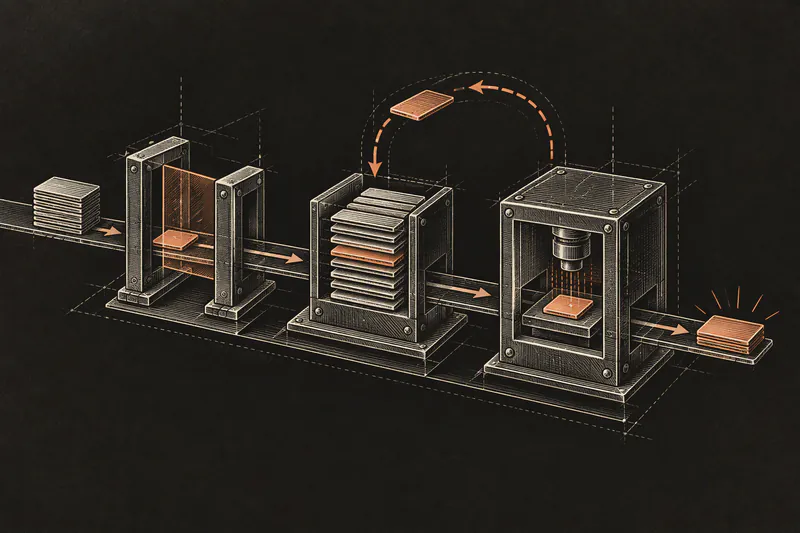
The better question is not how to make employees use AI. It is which work should no longer land on their desk at all. When a supplier invoice arrives, the reconciliation can start automatically. When a meeting ends, the notes and follow-ups can already be waiting in the right place. When someone joins the company, the accounts, equipment and first-week schedule can be prepared before they arrive.
None of this asks people to learn a new habit. It runs on business events and schedules, inside the systems they already use and it brings a person in only when there is a real decision to make. The best compliment we hear is not that a tool is impressive. It is that a task simply stopped being annoying.
Make it safe to say yes
Taking work away from people only works if they trust what replaces it. That means clear ownership for every agent, sensible limits on what it may do and a visible way to pause or correct it. It also means talking early with IT, with security and, in Germany and many other European countries, with the works council. These conversations are not obstacles. They are where the guardrails get designed properly.
When people can see what an agent did and why and know that sensitive decisions still come to them, the conversation changes. The question is no longer whether to trust AI in general. It is whether this particular workflow, with these particular safeguards, is better than the way the work was done last month.
Measure the work, not the logins
Active users is an easy number to report and a weak signal of value. I would much rather know how many invoices were reconciled without manual chasing, how quickly new starters were productive, or how many customer requests were resolved the first time. Those numbers belong to the business, not to the technology.
That is also how adoption grows in practice. One team sees a neighbouring team spending less time on routine work and asks for the same. Nobody needs a campaign for that. The result does the persuading.
Start with one process that hurts
If you are planning your next step with AI, my advice is modest. Do not start with the platform or the training plan. Start with one process that everybody agrees is painful, follow it from beginning to end with the people who do it and remove as much of the routine work as you safely can. Then do it again.
Technology should make people more capable, not give them more to manage. If we get that right, adoption stops being a program. It becomes the normal way the business runs.